
From feeds to footfall: influence as the new traffic driver
Thousands queued, down the street, for the opening of Edikted’s San Diego store - the latest in a string of bricks-and-mortar openings, throughout the US, for the erstwhile online-only brand. Many had been there since the small hours. To be sure they’d be the first to get in.
Passing through the giant love heart entrance that marks all Edikted’s social media-ready stores, customers find themselves being greeted by staff trained to instil what founder and chief executive Dedy Schwartzberg describes as “happy brand energy”.
Maybe they’ll stop in one of the selfie-ready branded photobooths, posting the resulting content on TikTok - the place where it all began for Edikted.
But then they get shopping. Excitedly, and notably, IRL. Gen Z loves shopping in person.
Welcome to shopping, Gen Z style. Welcome to the “TikTok made me buy it” phenomenon.
If Gen Z is driving a revival of in-person shopping, all the better. But there is another aspect to all this that should get real estate owners really thinking.
Partly because they love to touch and feel the products they’ve seen TikTok and Instagram influencers showcasing online. “I’m always hearing customers in stores say, ‘Oh, this is the set we saw on this or that influencer’,” Schwartzberg told Glossy at the store opening in April.
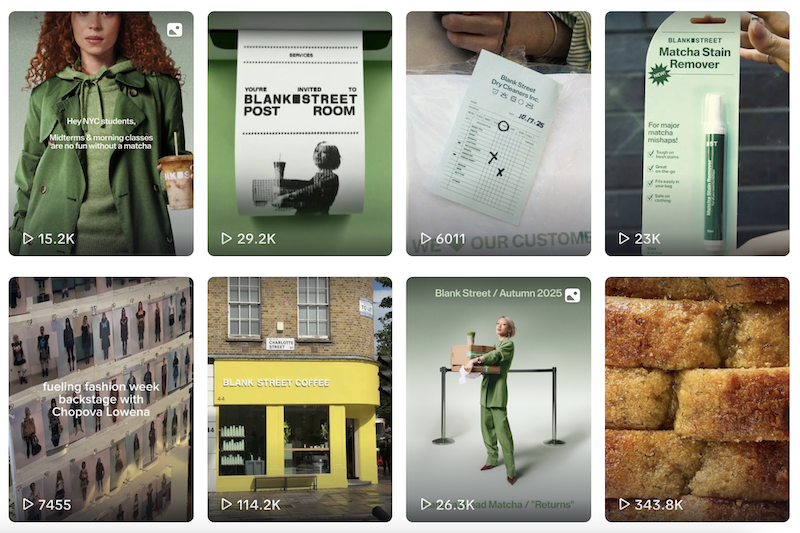
Partly because they want instant retail gratification. They’ve seen the clothes on offer by Edikted, with its celebrity endorsers, and its 942,000 followers on TikTok, and they want them. Now. How about about the latest matcha coffee launch from Blank Street? People want to try it. Right now.
Welcome to shopping, Gen Z style. Welcome to the “TikTok made me buy it” phenomenon.
If Gen Z is driving a revival of in-person shopping, all the better. But there is another aspect to all this that should get real estate owners really thinking.
Why is matters to landlords?
Just think what a brand like that can do for your marketing. Or, bringing it back to the UK, a brand like Hair Syrup, also on the TikTok to bricks-and-mortar journey - bringing its (at time of writing) 435,000 followers with it.
That’s hundreds of thousands - or in the case of Zara, 13.8 million - followers ready and eager to hear what their favourite brand is up to. And where it’s going.
Welcome to the future of leasing. Smart leasing, that harnesses the power of viral marketing and, done properly, means tenants and brands will work hard for you and your space, to everyone’s benefit.
That’s what I’ll be discussing at MAPIC, at a my panel session on Wednesday afternoon.
This is an important development in retail and leisure real estate, perhaps the most important, and potentially lucrative, for decades.
The rules of leasing have changed. What makes the perfect tenant has changed. Today - whether they already have a bricks-and-mortar presence, or if they’re a hot, emerging but still online-only brand - a company with a huge, established community of fans and shoppers is a seriously valuable, self-sustaining addition to a shopping centre.
A brand like that can serve one of a landlord’s greatest needs: to drive footfall. Just think back to the eight hour queue that formed outside the Bullring in May, just to get hold of a Labubu doll - the TikTok-famous toy turned global sensation, with a little help from endorsements by Dua Lipa and Rihanna. The Bullring’s social media team posted on the day of the launch "Labubu fever is real".
And so is the potential for any real estate owner to harness the power of social, if they find the right brand with a relevant offering, and a community of followers that will fit well with the spaces.
When considering future tenants, there are brand new questions to be asking. What kind of following do they have, and how big? How much work are they willing to do to promote the physical spaces and contribute to the local ecosystem?
But there are also things real estate owners must do in return. There are a host of new digital tools to make the spaces ready for the tenants you want. But above all landlords must be flexible - huge heart shaped entrances might not be in the traditional fitout textbook, but they sure work on social media.
As P-Three discussed in September, yes, people are heading back to shops, driven by social media influences, and for the experiences they will get there. So stores must be exciting, content-creator-ready places to visit, which requires proper collaboration from the owners.
And landlords must be ready to do their own work on social media, not expect to sit back and let the tenants and their brand endorsers influencers do all the marketing for them. That means working with tenants on collaborations and influencer partnerships, to make the space a part of the story.
However, its not all one way traffic.
Physical retail environments offer brands the opportunity to come into real life, to create connecrtions with their communities and of course, reach a new audience. After all, not everyone uses TikTok. This can be a two-way street and real estate owners can be just as important as the famous influencers if they get their strategies bang on track.
Get all this right, and you will find yourself with tenants that drive not just potentially huge levels of footfall, but also people who have adopted, embraced, the innovations in shopping, dining and leisure, and in marketing, that might just sustain the industry for years to come.
Meet your future shoppers.
Article by Thomas Rose, P-Three
Image:
