
Trending: When Followers Become Footfall
Celebrity and creator-founded brands are moving from our feeds onto our high streets.
The strongest ventures have combined cultural influence with something more conventional: good products, clear positioning, sophisticated management, investment, distribution and relentless attention to brand.
What started as a digital phenomenon is now becoming a physical retail one. And that is where it gets interesting.
PEOPLE
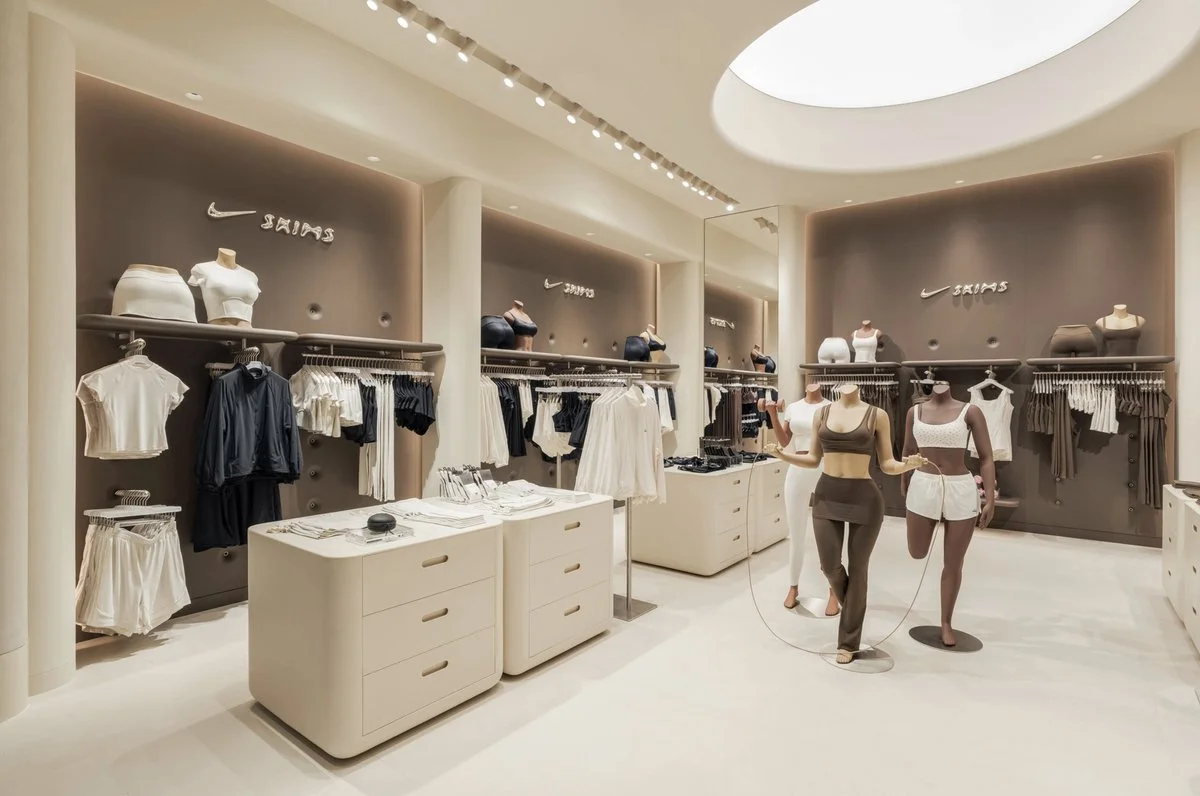
SKIMS: The brand that changed the conversation
Kim Kardashian co-founded the business with Jens Grede in 2019. Six years later, a $225 million funding round valued the company at $5 billion, with the business expected to surpass $1 billion in annual net sales.
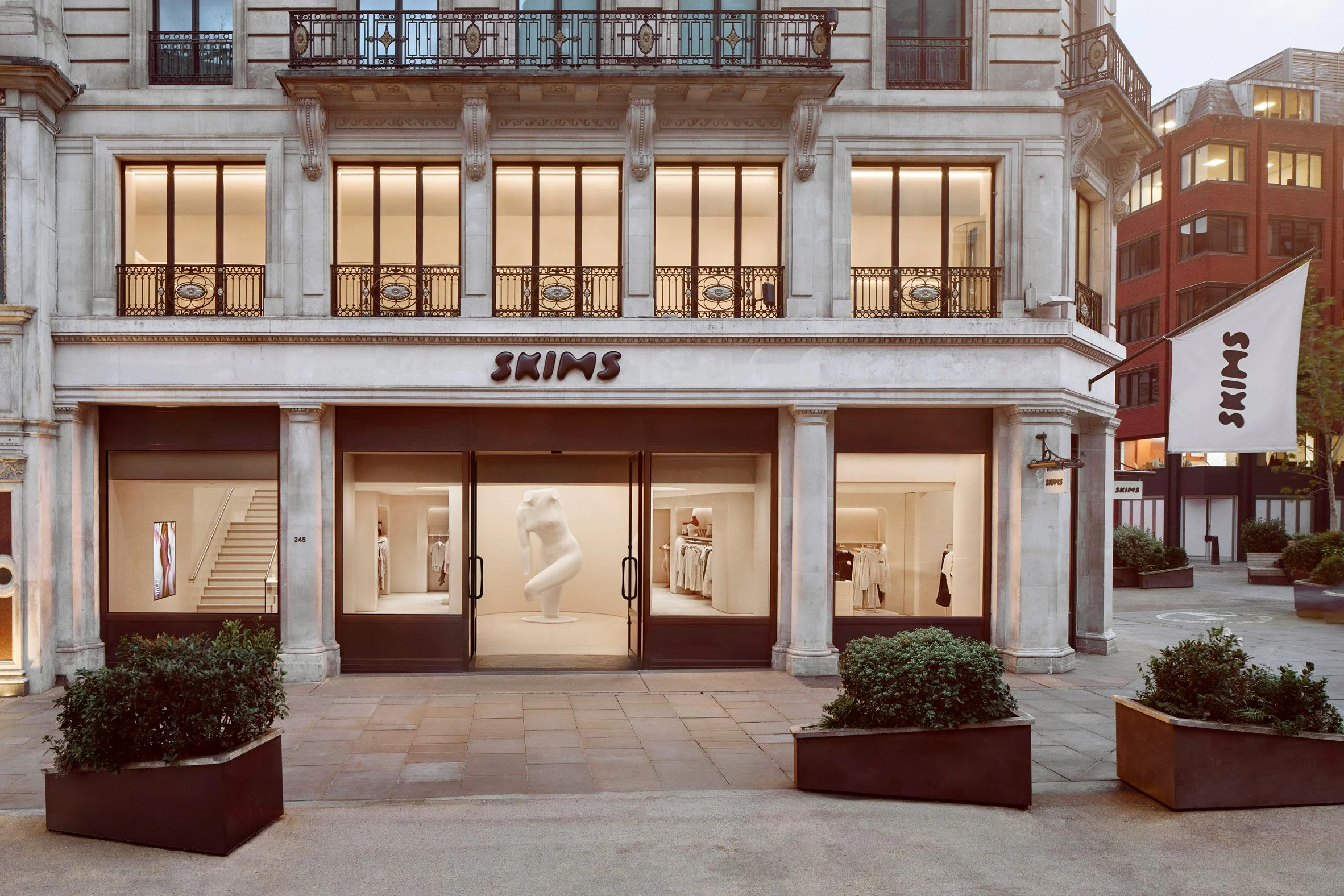
And its ambitions are increasingly physical: in July 2026, SKIMS opened its first standalone UK store at 245–247 Regent Street.
It’s a 12,000 sq ft flagship on a 10-year lease, occupying the former Ted Baker store. It is also SKIMS' largest European store.
Image credit: CPP Luxury
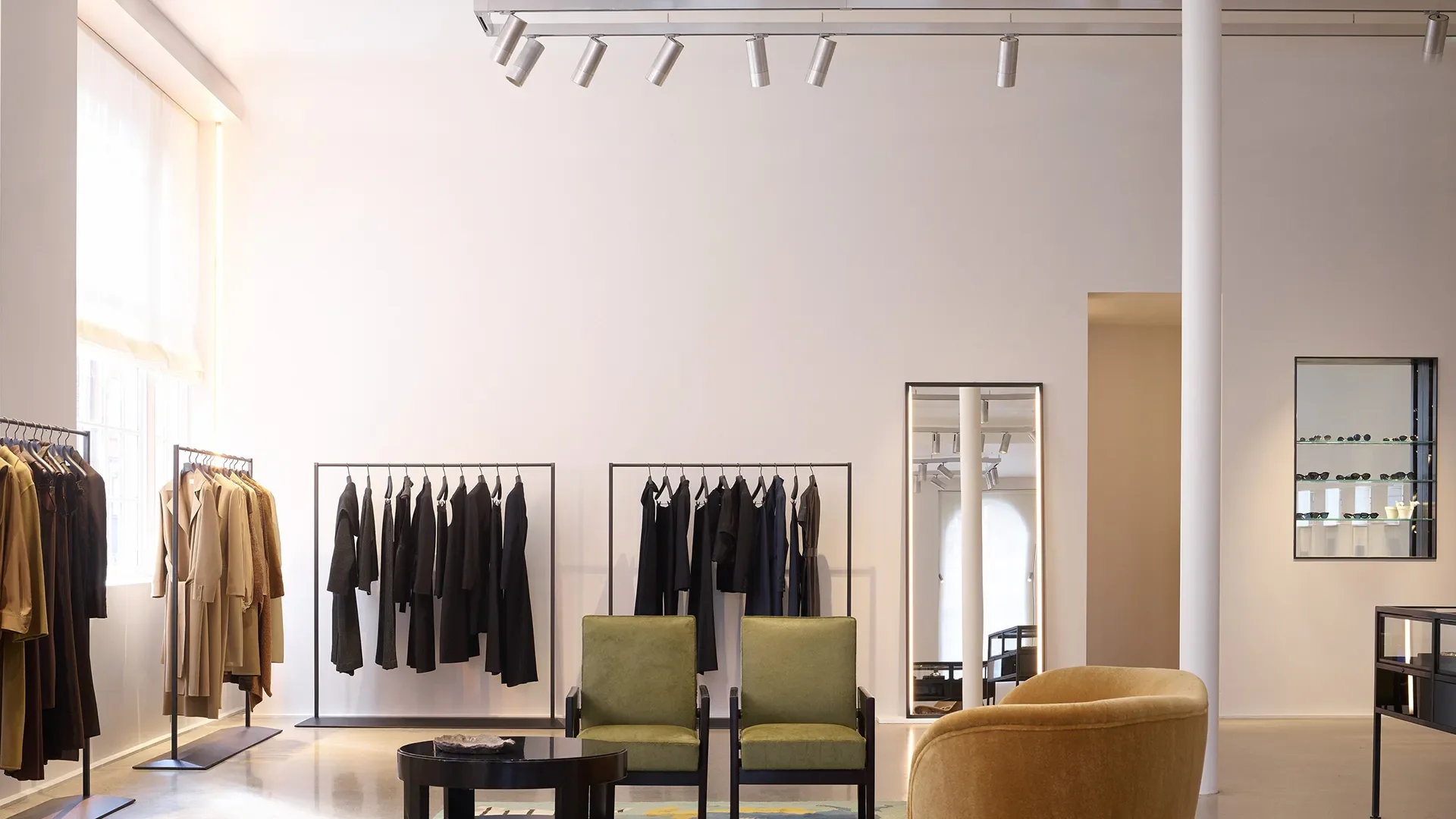
The Row: When the celebrity becomes almost irrelevant
Mary-Kate and Ashley Olsen founded the label in 2006, when they were still overwhelmingly known as actors.
Today, The Row sits comfortably within the global luxury market, backed by investors including the owners of Chanel and valued at around $1 billion USD.
The Olsens' fame helped give the business visibility, but the product and the brand have become bigger than the founders. That may be one of the best tests of whether a celebrity brand has genuinely matured.
Image credit: British GQ
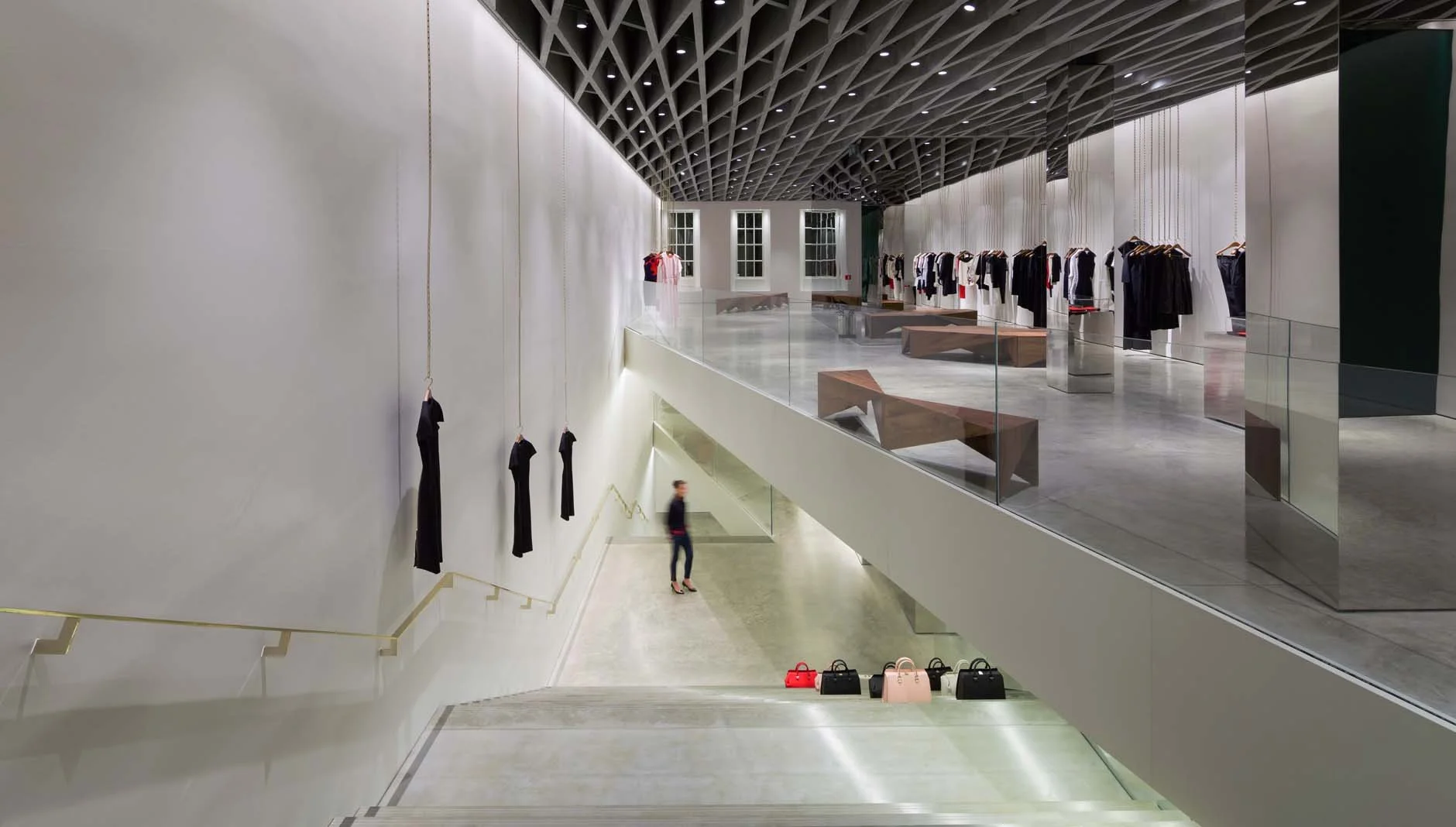
Victoria Beckham: The long game
Victoria Beckham is another useful counterpoint to the idea that celebrity labels are short-lived. In 2008, amid considerable scepticism, she launched her fashion business.
Nearly two decades later, it has developed into a serious fashion and beauty empire, with combined revenues exceeding $170 million in 2025, up 19% year-on-year. And just this week Beckham hit the news for reporting her company’s first profits. (Those hoping for instant success take note: this is a long game).
Image credit: Farshid Moussavi Architecture
PLACES

Are people coming back?
Followers measure audience, not customers.
Repeat purchase, sales growth, average basket size and customer retention tell you considerably more about the underlying health of a business.
Of course, a sell-out launch is exciting. A customer returning for her fifth purchase is more interesting.
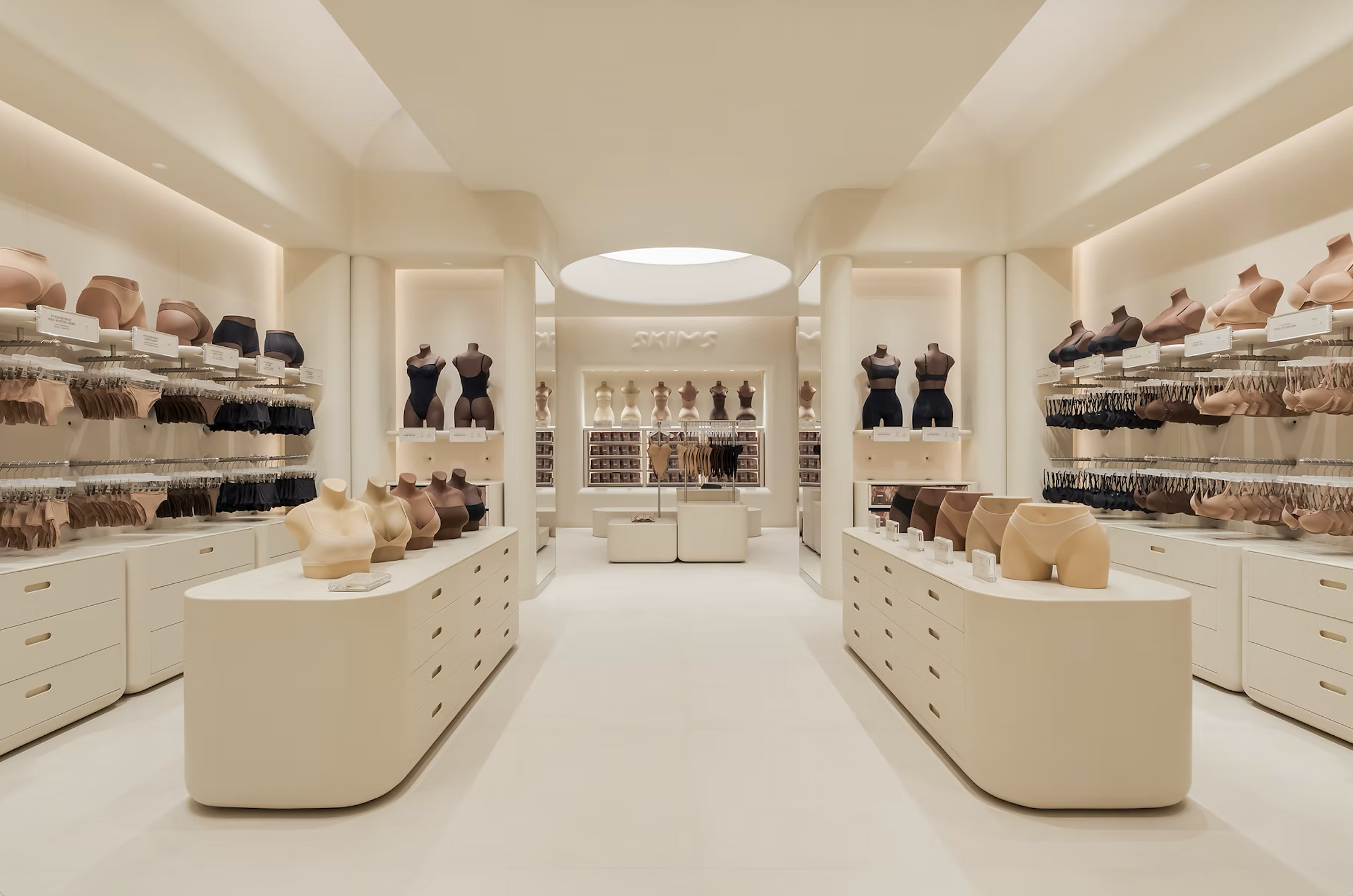
Is there a real business behind the brand?
The strongest celebrity-founded businesses have increasingly serious infrastructure behind them. Experienced CEOs. Investors. Retail directors. Supply chains. Wholesale relationships. International distribution.
SKIMS may have Kim Kardashian as its face, its identity. But make no mistake, this is a sophisticated global consumer operation. That distinction matters enormously when you are contemplating a long lease.
Image credit: Shop Drop Daily
Is the store part of the strategy - or part of the PR?
Pop-ups can be fantastic. They build awareness, generate queues and allow brands to test markets. But there is a fundamental difference between:
online → viral moment → three-day pop-up
and:
online → wholesale → repeated pop-ups → permanent store → second store → international expansion.
The latter begins to demonstrate a retail strategy. TALA and Odd Muse are good examples of that progression.
PROPERTY
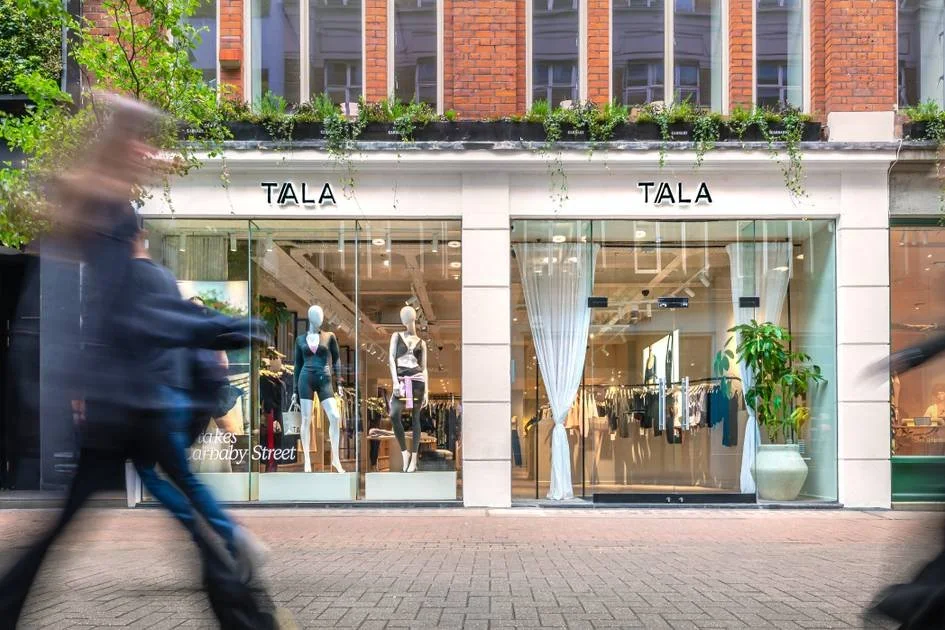
TALA: From Instagram to Carnaby
Grace Beverley built an enormous online audience before launching activewear brand TALA. The business initially grew digitally, then moved into wholesale and pop-ups.
Now, its first flagship sits at 3–4 Carnaby Street. It has since opened at Westfield London, alongside a wide wholesale network including Selfridges, Harvey Nichols, Anthropologie and END.
And they’re still on the up, with a 19% increase in revenue this year and a focus on expanding its bricks-and-mortar presence.
Image credit: Fashion United
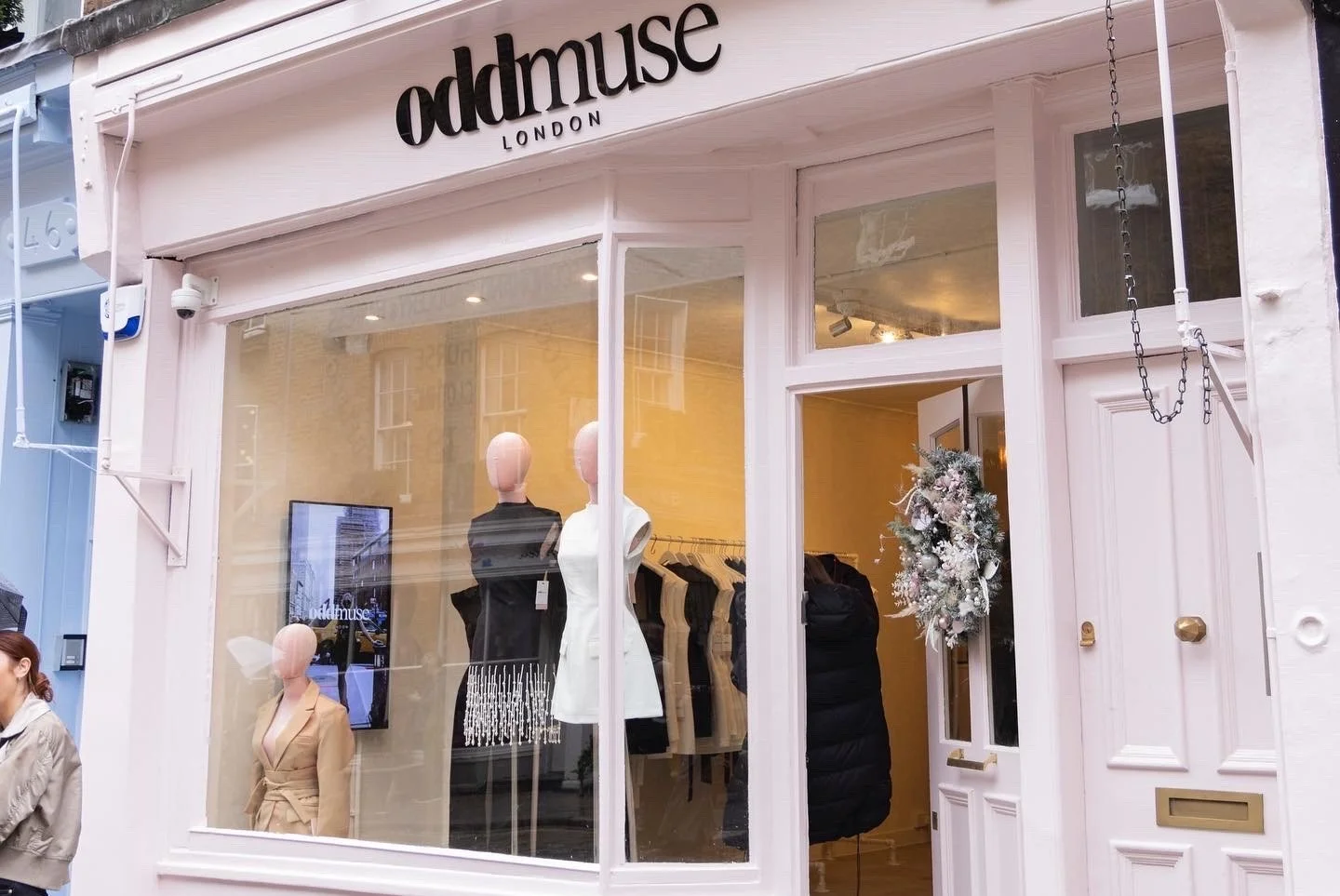
Odd Muse: Covent Garden to New Bond Street
Founder Aimee Smale started the business online. Then came the first London store opened on Monmouth Street in Covent Garden, followed by SoHo, New York and 77 New Bond Street, with products also sold through department stores including Selfridges, Harvey Nichols and Flannels.
The interesting point isn't simply that an influencer has opened a shop. It is the speed at which digital businesses can now move through the traditional stages of retail growth.
Image credit: Drapers
P-THREE SAYS
“For landlords, this creates a genuinely new occupier pipeline. That’s an exciting prospect for our high streets and retail destinations.”
Attention is not the same as a sustainable business. The winners combine both, with the cultural pull to bring people through the door and the product, infrastructure and commercial discipline to bring them back.
For landlords, this creates a genuinely new occupier pipeline. That’s an exciting prospect for our high streets and retail destinations.
That means leasing agents and landlords need to look differently at where future demand comes from. Follow the brands people are talking about. Watch where they are shipping to. Look at which brands are moving into wholesale. Watch the pop-ups.
And finally… who’s next?
That's the question we inevitably ask as leasing agents: who will be next to make the jump? Some businesses we’re watching out for…
GUEST IN RESIDENCE
Gigi Hadid launched premium knitwear brand Guest in Residence in 2022. It already operates its own store at 21 Bond Street in New York, alongside international ecommerce. A London store would feel a natural next step.
For us, the most obvious homes would be Mayfair, Chelsea, Marylebone or Notting Hill, somewhere that reflects its understated, premium positioning rather than simply chasing maximum footfall.
RHODE
Rhode is another one we would watch very closely. Its acquisition by e.l.f. gives it access to significant capital and retail infrastructure, and the brand has already expanded from pure DTC into Sephora distribution in North America and the UK.
ÔRƏBELLA
Ôrəbella is earlier in its journey, but it has already demonstrated scale. More than 2,000 points of distribution globally within two years of launch suggests something considerably more substantial than celebrity hype - and serious potential for physical space.
KAY BEAUTY
Founded by Bollywood actress Katrina Kaif and stocked in Space NK. Still relatively new but already gaining real traction on social media.
VIEVE
Owned by Scottish makeup artist and internet personality, Jamie Genevieve. who retains the majority ownership stake and serves as the brand's founder and Chief Creative Officer (CCO). In the past four years the company has secured over £14 million in external investment to support growth plans.
AND THE ONES WE DON'T KNOW YET
Perhaps the most interesting names, however, aren't yet on traditional retailers' radar. The next TALA or Odd Muse might currently be selling from a website, growing an intensely loyal following and testing its first concession or three-day pop-up. By the time it has 20 stores, everyone will know it. The opportunity is identifying it at store number zero.