
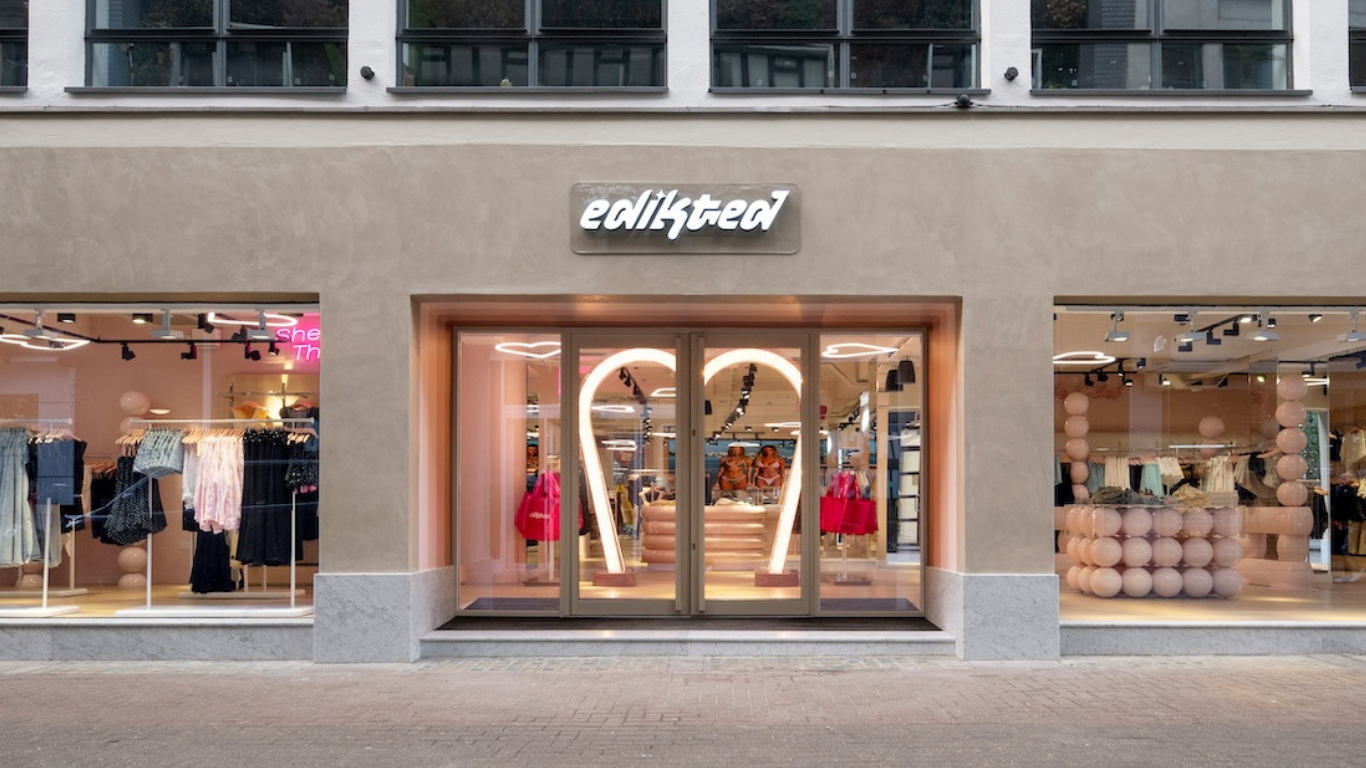
Go for a walk around Soho on a Saturday afternoon, and you might start to notice a curious, recurring sight: bright pink shopping bags adorned with scribbled writing. Look closer, and you'll see the word scrawled across the side: "Edikted".
They're from a shop on Carnaby Street, occupied by what might just be one of the hottest youth fashion brands in London this year.
It's the latest example of a shopping bag going far beyond a way of taking new clothes home. Think back to Primark's peak on Oxford Street. Those brown paper bags that became part of the uniform for shoppers in their teens and 20s.
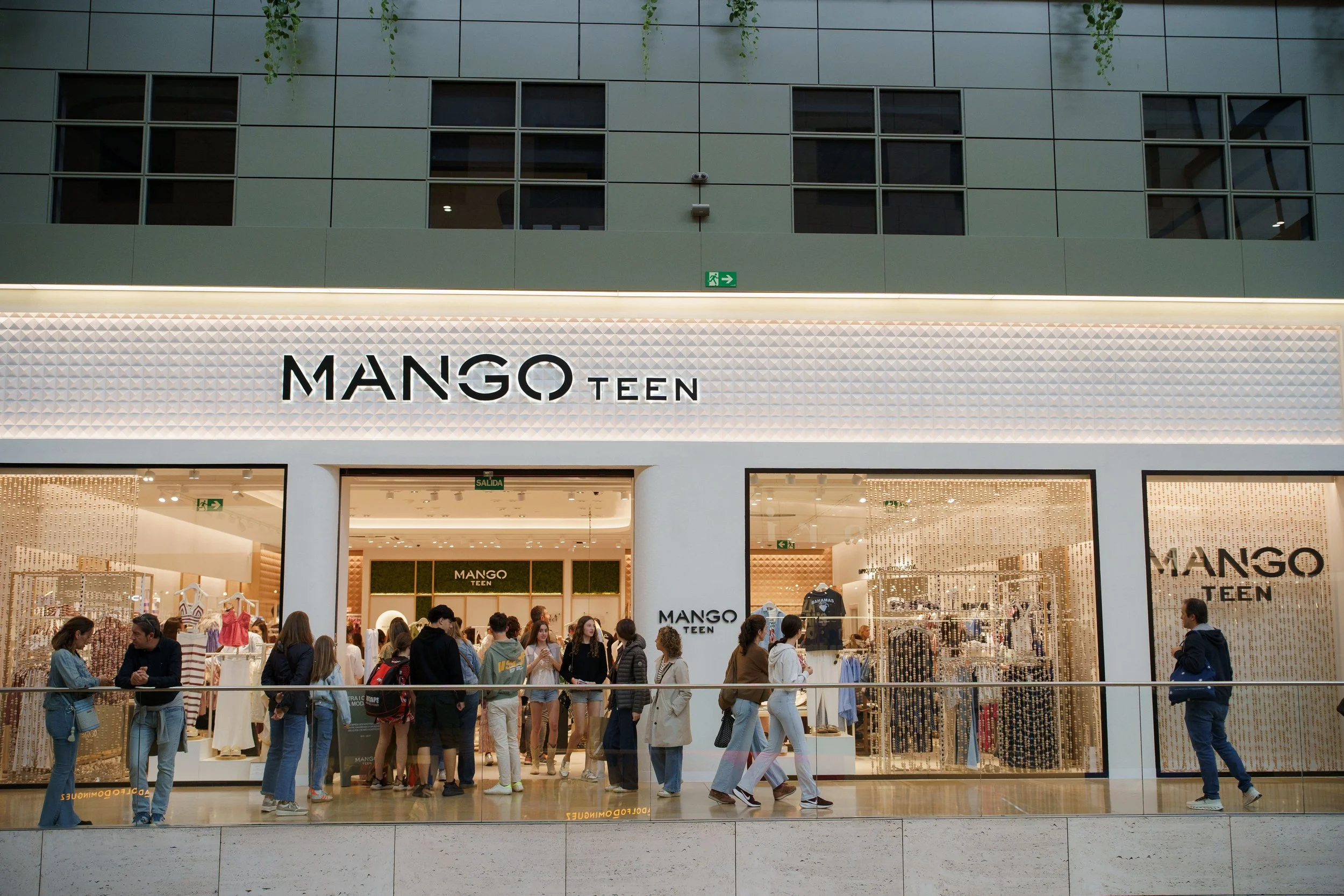
Times change, brands change, but the truth remains: teen shoppers are big business. And they can make a place. Social media can turn a brand into an overnight sensation and bring queues of young shoppers to its stores. But only if the offer is right.
Our latest Trending: blog looks at the 'teen pound', the brands attracting the next generation of shoppers, and the places benefiting from their spending power.
PEOPLE
The ‘teen pound’ is real
Depending on the definition, they're either the youngest members of Gen Z or the oldest of Gen Alpha. Either way, the 16–20-year-old shopper is big into clothes and, the data tells us, has (or has access to) the money to back it up.
In a report published this year, youth banking app GoHenry estimated Gen Alpha's potential spending power at £3.3bn globally. And PwC research described youth shoppers as a rare "bright light" against a wider backdrop of falling consumer confidence.
For brands that understand this audience, there's a significant opportunity. And for landlords, it's a reminder that the next generation of shoppers can have an influence on retail destinations well beyond their years.
Image: This is Soho
“Poetcore” and “Vintage 90s mall fashion”: the next trends
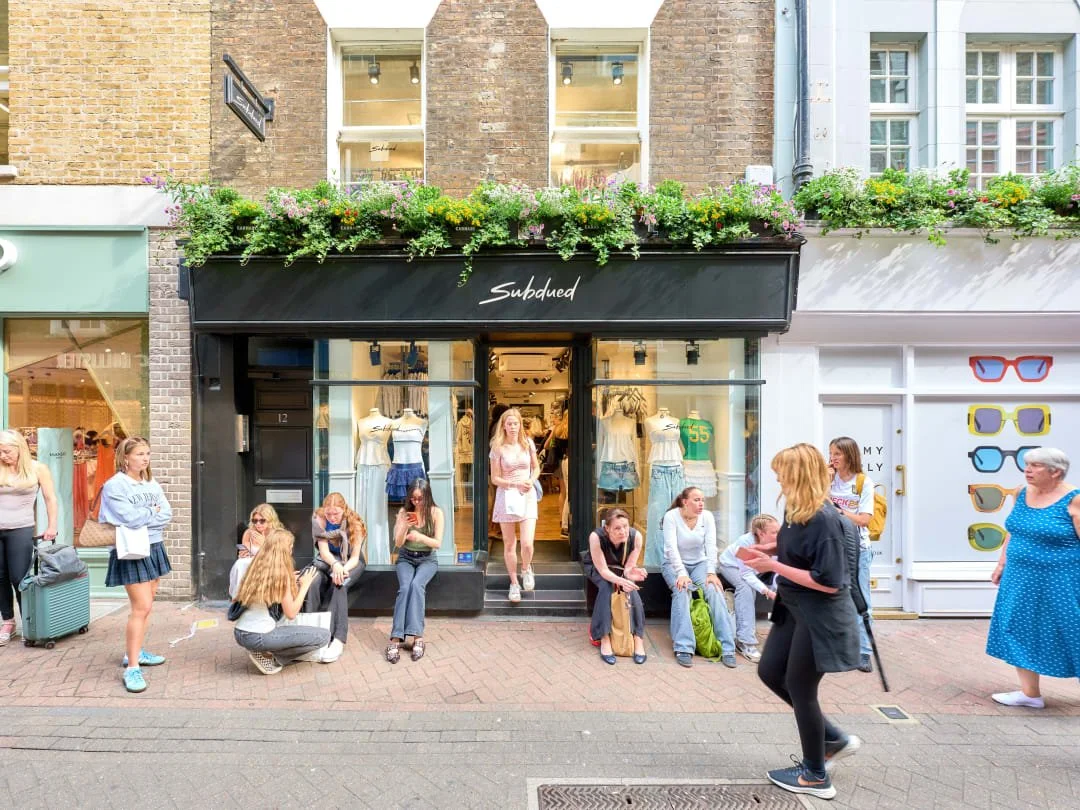
Why do brands like Edikted, Subdued, Mango Teen and Brandy Melville (which KidRated London describes as "basically a uniform for Gen Z right now") do so well? Because they understand what younger shoppers want to wear, and how quickly those tastes change.
"90s Vintage mall fashion" is back as a must-have look this autumn, as is the enigmatic-sounding "poetcore” trend, it means looking intellectual butcosy, which made it into Pinterest Predicts for 2026.
Teen Vogue has rounded up the looks emerging this autumn. And while the trends may come and go, the brands that can respond quickly are the ones capturing the attention, and spending, of the next generation.
Image: This is Soho
The affluent teen shopper
Think teen fashion is all about pocket money? Think again. Analysis from CACI, comparing the Acorn audience profiles of six fashion brands, reveals some striking differences.
At Edikted, 24% of its profiled audience falls into CACI's 'Flourishing Capital' category, compared with just 4% for H&M, 5% for Hollister and 6% for Abercrombie & Fitch. Add 'Upmarket Families' and the figure for Edikted rises to 39%, compared with just 7% for H&M and 10% for Hollister.
It's an interesting distinction. The brands attracting younger shoppers aren't necessarily drawing the same audience. And the data reflects the affluent families these teens are coming from, bringing significant household spending power channelled through the teenage buyer.
For landlords, understanding who is shopping, and the spending potential of the households they come from, is increasingly important when choosing the right brands for a destination.
Source: CACI Acorn audience profile data, supplied to P-Three.
Image: Tikbox Agency
PLACES
48 hours in London (with the teens)
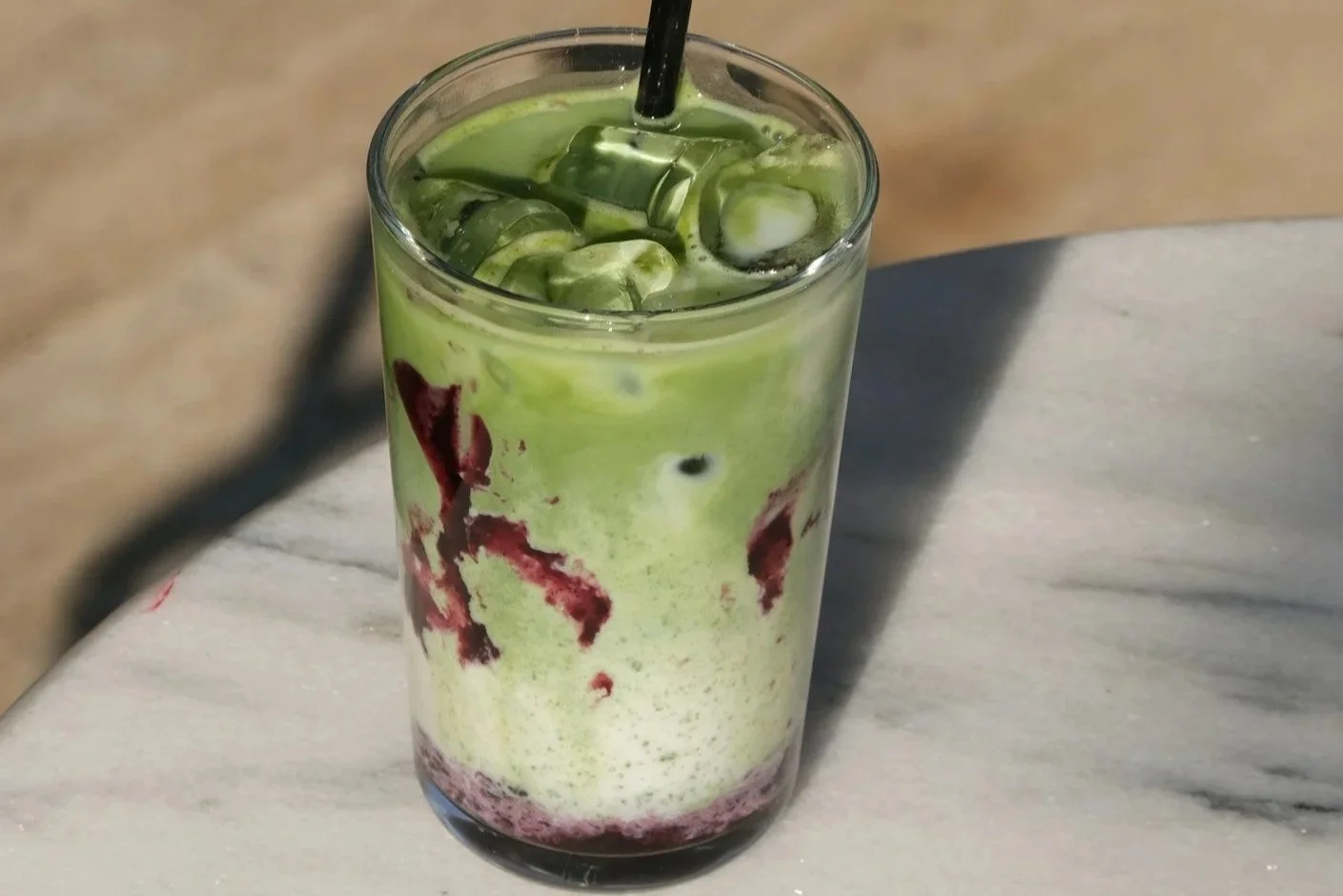
It's just as likely your 18-year-old will be snapping a selfie with an iced strawberry matcha latte as a pink Edikted bag. Partly because both are about the aesthetics. The matcha latte has been described as "one of the most aesthetically satisfying drinks ever created", and just look what's happening to sales of matcha in the UK.
Shopping is increasingly about the whole experience, with fashion, food and socialising coming together in a single trip.
It's all well captured in this 48 hours of teen shopping (and eating) guide by ThisIsSoho, taking in some of the most popular spots around Oxford Street and Carnaby Street.
For places looking to attract this audience, the surrounding food, drink and leisure offer can be just as important as the shops themselves.
The Hollister factor - reborn
In 2008, Hollister was one of the brands every teenager wanted to wear. The dark stores, loud music and unmistakable scent of its signature fragrance were all part of the experience.
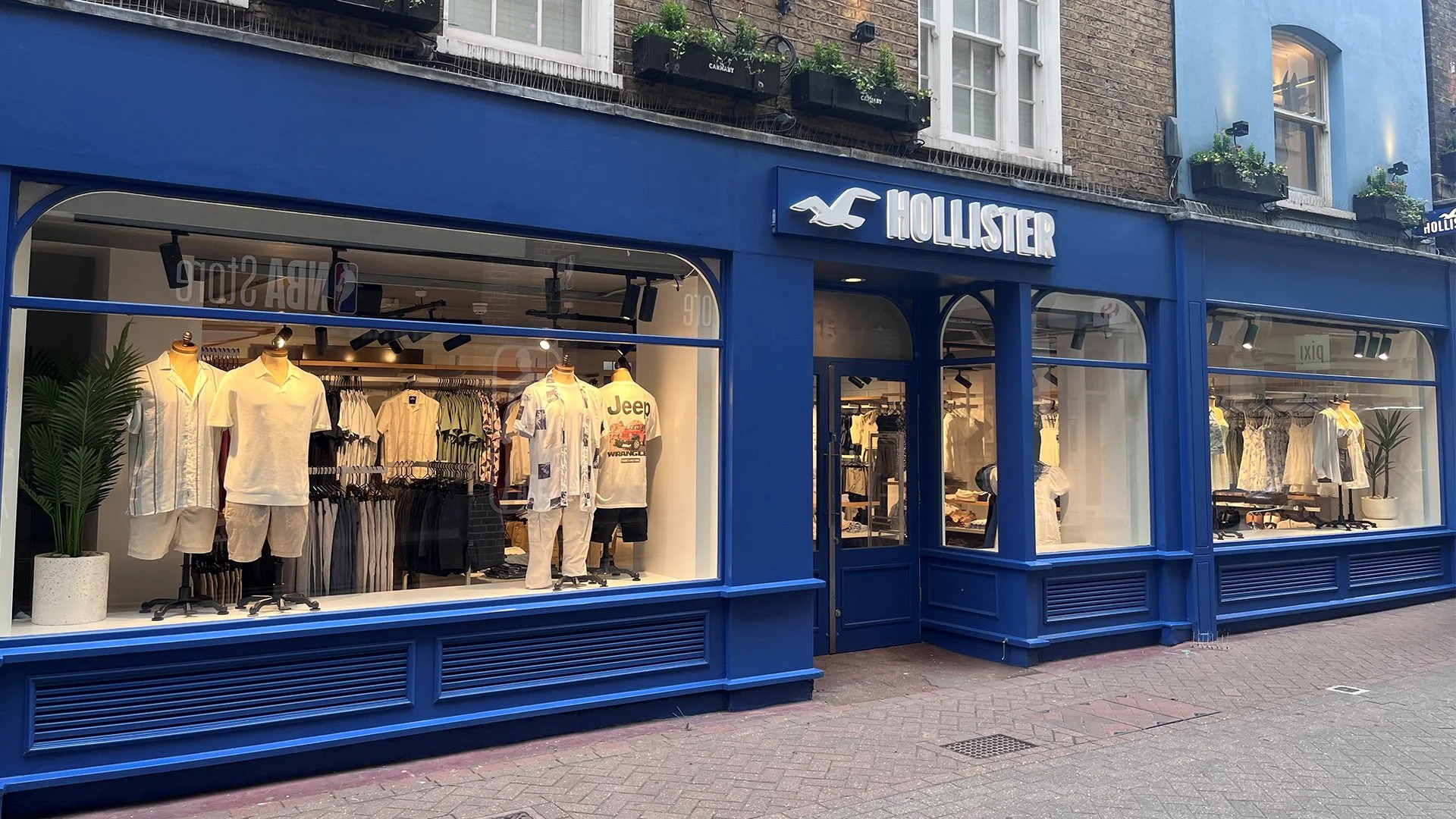
Almost two decades later, Hollister is finding favour with a new generation of teens. The US brand has refreshed its product range, marketing and store experience, moving away from its original California-inspired identity towards a more contemporary "Gen Z aesthetic".
It's an interesting example of a brand that has successfully reinvented itself for a new generation of shoppers. And where better to do it than Carnaby Street, which has been attracting London's fashion-conscious youth for decades?
Image: The Industry Fashion
Let’s talk about: Bershka
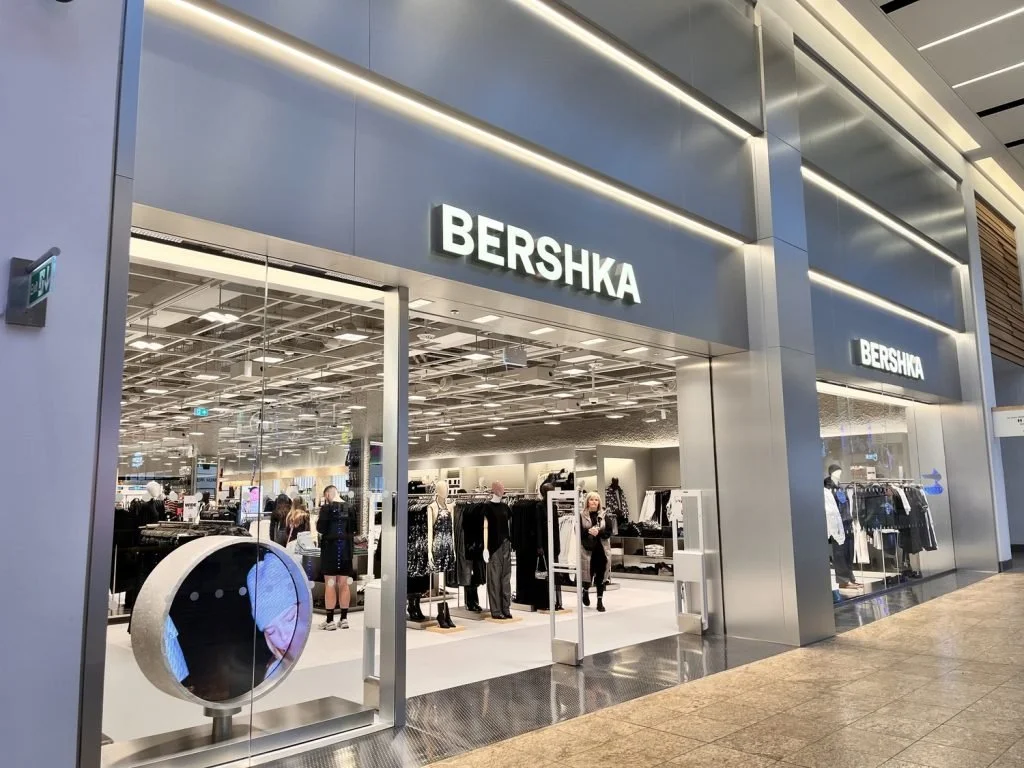
One brand that's definitely caught the mood this year, and is translating its appeal into physical retail, is Bershka.
Look at the details of what's in- streetwear, Y2K touches and cargo shapes- and then look at the collection Bershka released in the spring this year.
The Inditex-owned brand isn't a newcomer to the scene, but it has generated serious attention from a new generation of young shoppers in recent years.
It's a reminder that teen fashion isn't just about new brands. Established international retailers can be just as influential when they understand how to evolve with their audience.
Image: Meadowhall
PROPERTY
“Mallmaxxing” (ditching the phone and going back to stores)
When grown-ups do it, it's called going shopping. But Gen Z and Gen Alpha love a neologism. And in their own code, it's called "mallmaxxing".
It taps into a growing sense of digital fatigue among younger shoppers, alongside a renewed interest in the 90s and early 2000s.
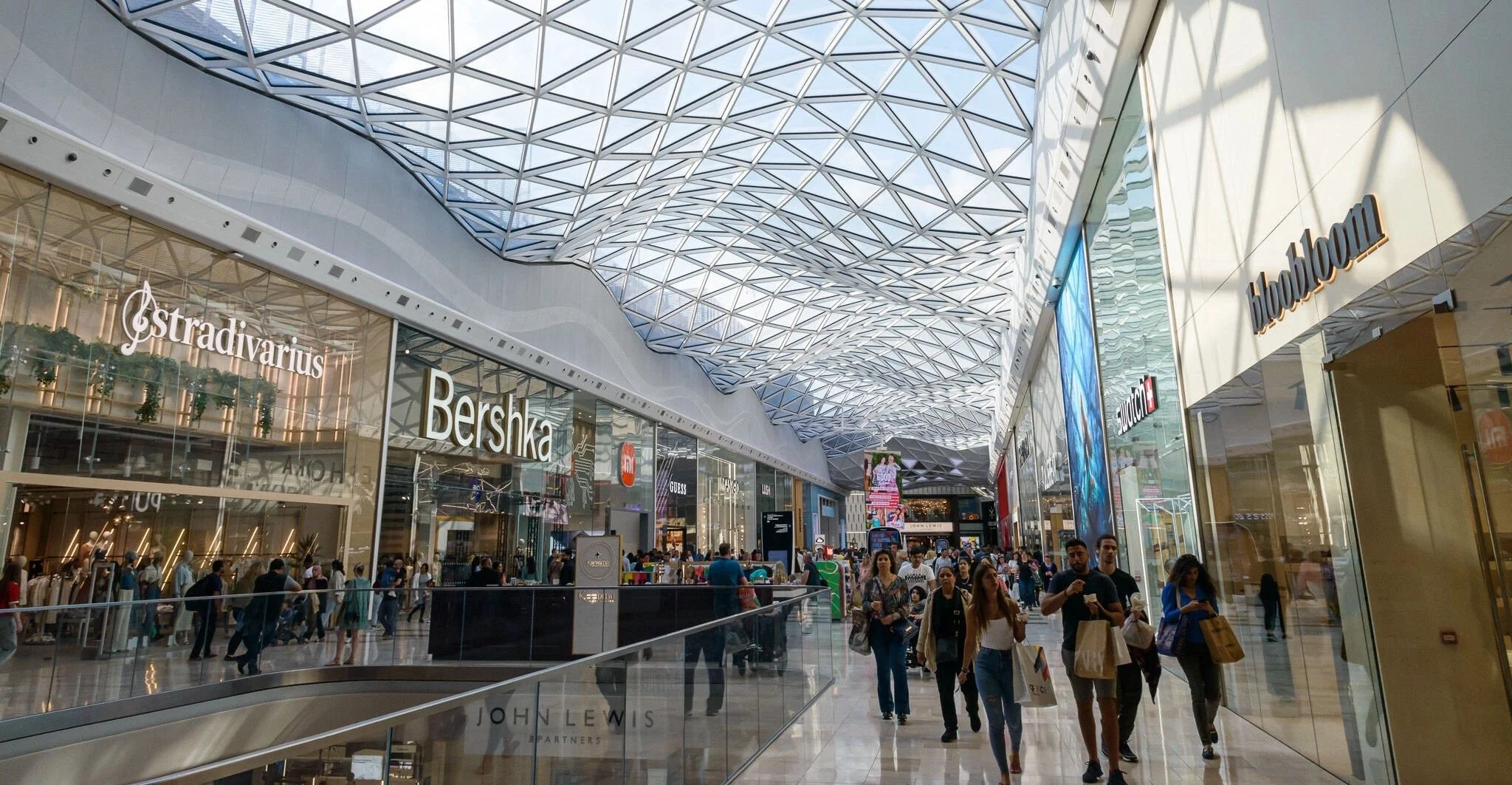
Inspired by films like Clueless and Mean Girls, teenagers are heading back to shopping centres to meet friends, browse stores and simply hang out, as much as to buy something.
As this Bloomberg article explores, a generation that has grown up shopping online is rediscovering the appeal of the physical shopping centre, exclaiming, “they’re even learning to stand in line and hang out IRL”.
For landlords, that's encouraging news. The next generation isn't turning its back on physical retail. It's finding new reasons to visit.
Image: Location Live
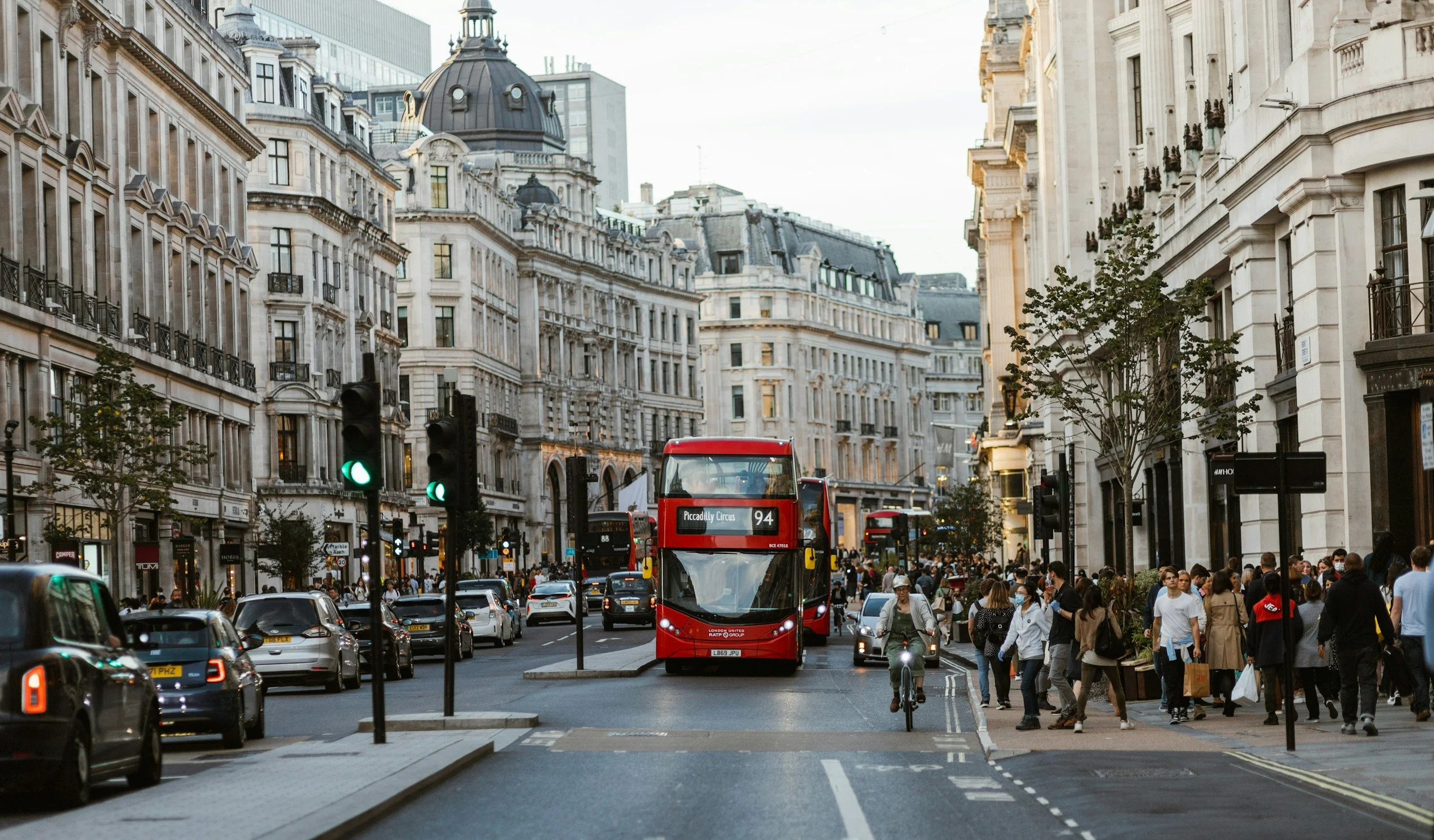
Stats: Gen Z and teen shoppers keenest on physical stores
Call it mallmaxxing, or any other name, the data shows a marked appetite for physical shopping among younger consumers.
Research published by Sicilian Avenue found that 45% of Gen Z visitors (aged 16–27) cited shopping as their main reason for visiting central London, compared with 34% of Millennials and Gen X visitors, and just 30% of Baby Boomers.
And while numerous studies show that Gen Z gets much of its fashion inspiration online, research by Snapchat and Portas points to the continuing importance of physical retail for this generation.
The relationship between online discovery and physical shopping is particularly interesting. Social media might be where a trend begins, but the store is where shoppers can try on the clothes, meet their friends and become part of the brand experience.
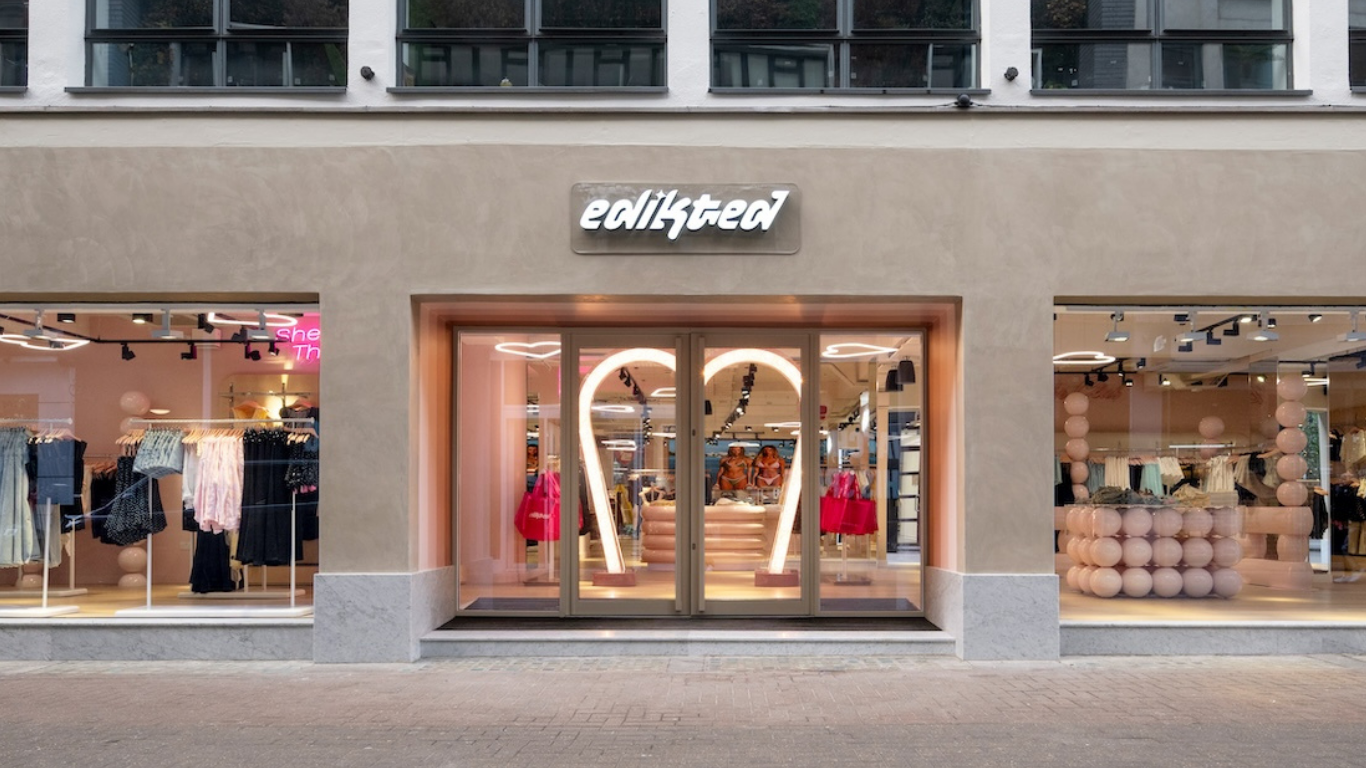
Let’s talk about: Edikted
Ask the parent of a London teenager where they've been dragged to on an expensive shopping day, and one name keeps popping up.
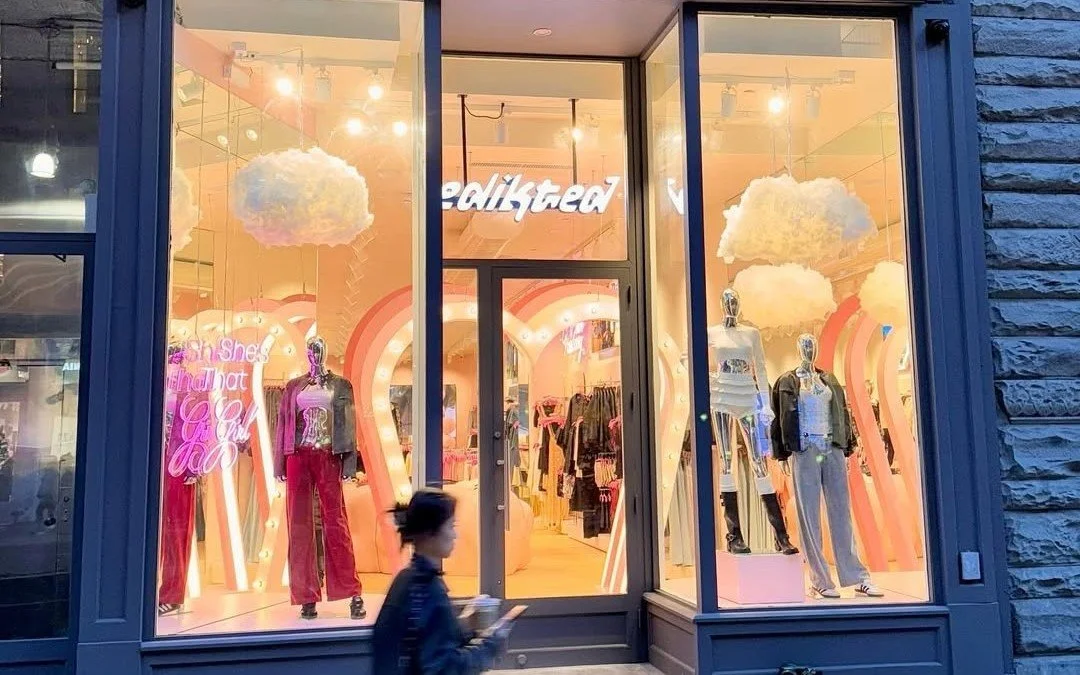
When US youth fashion brand Edikted opened its first European store at 52–55 Carnaby Street in March 2026, it brought 4,800 sq ft of trend-led fashion to the heart of Soho.
The opening attracted queues of eager young shoppers, and its distinctive pink shopping bags have become a familiar sight across the West End.
It's a great example of how a brand can build a following online and translate that demand into physical retail. Young shoppers are making a specific trip to Carnaby Street to buy the clothes they've seen and want.
For Carnaby Street, brands like Edikted are bringing a new generation of shoppers to the area, reinforcing its position as one of London's most influential fashion destinations.
Image: The Industry Fashion
P-THREE SAYS
“As the CACI data shows, some of the most sought-after teen fashion brands are attracting a particularly affluent audience, bringing significant spending potential.”
Carnaby Street has always had a magnetic effect on London’s younger fashionistas, and been an influence far beyond. Today, that fervour for fashion and independent identity has met with social media to form a potent, powerful force capable of making a place.
It’s a truth retail property owners would do well to learn: youthful, influential shoppers can enliven spaces with their energy and zeal. And as the CACI data shows, some of the most sought-after teen fashion brands are attracting a particularly affluent audience, bringing significant spending potential.
And finally… this isn’t an easy fix. The core rules apply. Great places and properties come about through a true understanding of people: the shops they want, the brands they crave, and that intangible, magnetic mix that keeps the vibes alive.